Thursday, October 1, 2020

Best new cars coming in 2021

https://ift.tt/2FVpAVW

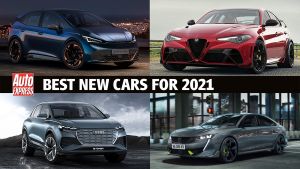
Whether you're a fan of electric cars or can't wait to see the next supercar, there should be something for everyone coming in 2021 and beyond. 

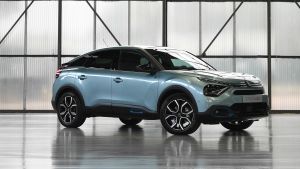
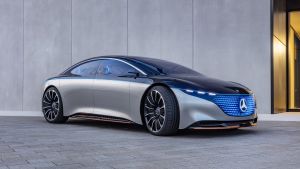
It’s no surprise to see EVs dominate, with Mercedes and Audi set to provide for the luxury saloon market with the new EQS and e-tron GT and the Citroen e-C4 sitting at the more affordable end of the EV spectrum.

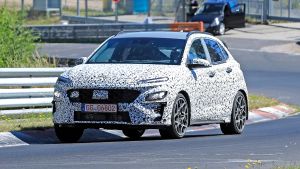
However, just one look at the list of new cars coming in 2021 and beyond and you will see that the SUV boom will continue to gather pace with the likes of Alfa Romeo launching the Tonale and BMW pulling the covers of its all-electric iX3. Plus, the sporty SUV segment will increase further with the introduction of the Hyundai Kona N.

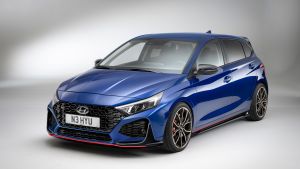
There are still cars aiming to appeal to the driving enthusiasts however, with the Alfa Romeo Giulia GTA super saloon, Hyundai i20 N hot hatch and Lotus Type 131 sports car. 

Scroll down below to see our list of the best new cars coming in 2021 and beyond, with information on pricing and when we can expect to see them hit showrooms... 

Alfa Romeo Giulia GTA
image
image
image
image
image
image
image
image
image
image
image
image
image
image
image
image
image
image
image
image
image
image
image
image
image
image
image
image
image
image
image
image
image
image
image
image
image
image
image
image
image
image
image
image
image
image
image
image
image
image
image
  • Price: From £155,000 (est)
  • On sale: Summer 2021 (est)

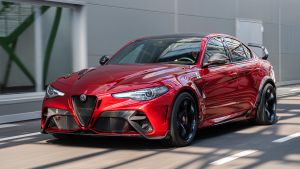
An even hotter version of the Alfa Romeo Giulia Quadrifoglio is on its way, in the form of the Giulia GTA. It uses the same 2.9-litre twin-turbo V6, but power rises to 533bhp.

More important is the GTA’s crash diet; carbon fibre is used for the driveshafts, bonnet, roof, front bumper, front wheelarches and rear arch interiors to save weight. The engine uses more aluminium, too.

Alfa Romeo Tonale

image
image
image
image
image
image
image
image
image
image
image
image
image
image
image
image
image
image
image
image
image
image
image
image
image
image
image
image
image
image
image
image
image
image
image
image
image
image
image
image
image
image
image
image
image
image
image
image
image
image
image
  • Price: From £28,000 (est) 
  • On sale: Spring 2021 

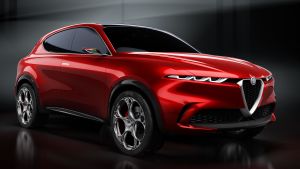
Next on the agenda for Alfa Romeo is another SUV to sit beneath the Stelvio. It will be called Tonale, and the wait for the Italian brand’s Mercedes GLA and Audi Q3 rival has been a lengthy one; it was previewed as a concept at the Geneva Motor Show in 2019, but the production car has yet to be revealed.

Regardless, Alfa’s concept is a very thinly veiled glimpse of what to expect, while under the skin the Tonale will use familiar underpinnings and engines, sharing its platform with the current Jeep Renegade. That means front and all-wheel drive, as well as petrol, diesel and plug-in hybrid power.

Audi e-tron GT

image
image
image
image
image
image
image
image
image
image
image
image
image
image
image
image
image
image
image
image
image
image
image
image
image
image
image
image
image
image
image
image
image
image
image
image
image
image
image
image
image
image
image
image
image
image
image
image
image
image
image
  • Price: From £80,000 (est) 
  • On sale: Spring 2021

Audi’s answer to the Porsche Taycan is coming in 2021 in the form of the e-tron GT. In fact, the all-electric four-door performance coupĂ© shares its platform and battery technology with its Porsche-badged sibling.

Acting as an electric alternative to the A7 Sportback, the e-tron GT will be the flagship in Audi’s electric car line-up, which is promised to grow to 12 vehicles by 2025. Technical specs are scarce, but it’s likely that the Audi will use the Taycan’s battery and charging tech, enabling up to 281 miles on a single charge and a class-leading recharging rate of up to 350kW.

Audi Q4 e-tron

image
image
image
image
image
image
image
image
image
image
image
image
image
image
image
image
image
image
image
image
image
image
image
image
image
image
image
image
image
image
image
image
image
image
image
image
image
image
image
image
image
image
image
image
image
image
image
image
image
image
image
  • Price: From £45,000 (est) 
  • On sale: Autumn 2021

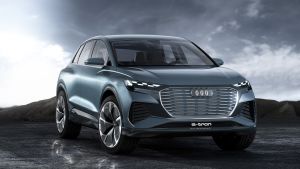
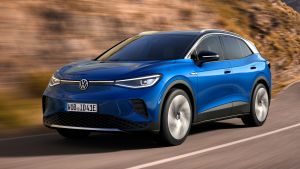
Audi’s electrification efforts heading into the next decade will be spearheaded by this: the Q4 e-tron. When it arrives in 2021, the electric SUV will shape up as a competitor for the Tesla Model Y.

The Q4 e-tron will be Audi’s first car on the VW Group’s MEB platform – its multi-billion-pound modular architecture designed specifically for EVs. The Q4 e-tron should stand out from stablemates such as the VW ID.4 by being the most upmarket model sitting on the MEB components, and act as an all-electric alternative to the hugely popular Q3.

Audi Q5 Sportback

image
image
image
image
image
image
image
image
image
image
image
image
image
image
image
image
image
image
image
image
image
image
image
image
image
image
image
image
image
image
image
image
image
image
image
image
image
image
image
image
image
image
image
image
image
image
image
image
image
image
image
  • Price: From £45,000 (est) 
  • On sale: Spring 2021

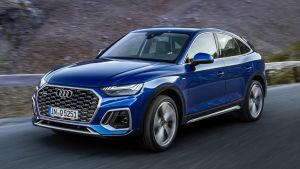
As has already happened with the smaller Q3, there's a new coupe-SUV based on the larger Q5 called the Q5 Sportback. The new model follows a familiar format: the nose of the latest Q5, but with a rakish rear end - like the Q8 and e-tron Sportback. 

The Sportback will allow Audi to compete against the BMW X4 and Mercedes GLC Coupé in an increasingly popular market. Powertrains are lifted from the normal Q5, so that means a 2.0-litre four-cylinder diesel with mild-hybrid assistance, a 2.0-litre petrol and even a 342bhp 3.0-litre diesel for the upcoming SQ5 Sportback.

Audi RS 3

image
image
image
image
image
image
image
image
image
image
image
image
image
image
image
image
image
image
image
image
image
image
image
image
image
image
image
image
image
image
image
image
image
image
image
image
image
image
image
image
image
image
image
image
image
image
image
image
image
image
image
  • Price: £49,000 (est)
  • On sale: 2021

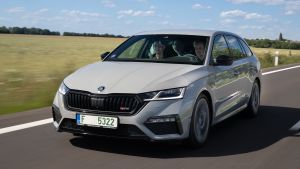
As ever the latest A3 range will be crowned by a hot RS version, which Audi hopes can retake super hatch class honours from the latest Mercedes-AMG A 45 S. The new RS 3 will stick with 2.5-litre turbocharged five-cylinder power, and the latest unit is expected to produce in excess of 400bhp.

Drive will be sent to all four wheels, just as with the S3. However, the RS 3 will stand apart from its less powerful stablemate thanks to a far sportier bodykit and a wider track, as seen in the spy image below. A saloon version will follow the Sportback five-door hatchback into showrooms next year.

BMW 2 Series Coupe

image
image
image
image
image
image
image
image
image
image
image
image
image
image
image
image
image
image
image
image
image
image
image
image
image
image
image
image
image
image
image
image
image
image
image
image
image
image
image
image
image
image
image
image
image
image
image
image
image
image
image
  • Price: From £30,000 (est)
  • On sale: Late 2021

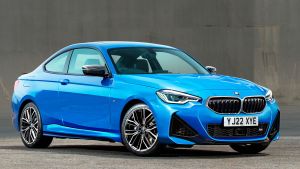
BMW looks set to appease the brand purists with the next 2 Series Coupé. While the four-door Gran Coupé has made the switch to front-wheel drive, the two-door will maintain the rear-driven format of the current car.

As our image shows, the design of the new car will take an evolutionary step forward. But it’s all change under the skin, because the next model is set to switch to the lighter and more rigid CLAR underpinnings used by the larger 3 Series.

BMW 4 Series Convertible

image
image
image
image
image
image
image
image
image
image
image
image
image
image
image
image
image
image
image
image
image
image
image
image
image
image
image
image
image
image
image
image
image
image
image
image
image
image
image
image
image
image
image
image
image
image
image
image
image
image
image
  • Price: From £44,000 (est) 
  • On sale: Early 2021

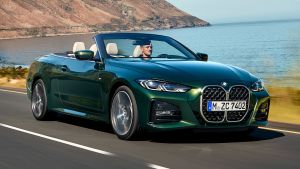
Hot on the heels of the 4 Series CoupĂ©, this is the new 4 Series Convertible - designed to take on the Mercedes C-Class and Audi A5 cabriolets. The new car ditches the folding hard-top construction of the previous model for a lighter, more compact fabric roof.

The new model will share its four and six-cylinder petrol and diesel engines with the coupĂ© and will make use of the same interior design. Pricing starts from £45,785 with entry-level 420i models powered by a turbocharged 2.0-litre four-cylinder petrol engine. The 430i uses the same powertrain, albeit with a remap which increases its output to 254bhp and 400Nm of torque. Top range-topping M440i has a starting price of £58,865 – and it’s powered by a twin-turbocharged 3.0-litre straight-six petrol engine, which develops 369bhp and 500Nm of torque. 

BMW i4

image
image
image
image
image
image
image
image
image
image
image
image
image
image
image
image
image
image
image
image
image
image
image
image
image
image
image
image
image
image
image
image
image
image
image
image
image
image
image
image
image
image
image
image
image
image
image
image
image
image
image
  • Price: From £60,000 (est) 
  • On sale: Late 2021

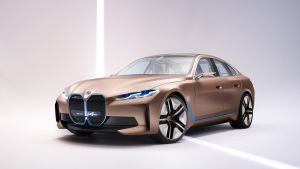
Switch out the delicate headlights, slender door mirrors and huge wheels of the Concept i4 for more conventional items, and you’re looking at BMW’s answer to the Polestar 2 and the Tesla Model 3.

Production specs have yet to be confirmed, but should the concept match reality, the i4 has potential: 523bhp from an electric motor drives all four wheels to deliver a 0-62mph sprint in four seconds and a top speed of 124mph. An 80kWh battery promises 373 miles of range, and we expect 150kW compatibility, allowing an 80 per cent top-up from flat in little more than half an hour.

BMW iNEXT

image
image
image
image
image
image
image
image
image
image
image
image
image
image
image
image
image
image
image
image
image
image
image
image
image
image
image
image
image
image
image
image
image
image
image
image
image
image
image
image
image
image
image
image
image
image
image
image
image
image
image
  • Price: From £90,000 (est) 
  • On sale: Late 2021

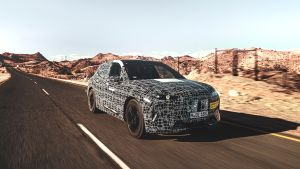
BMW’s electrified i sub-brand will rapidly expand in the next couple of years, and the production version of the iNext concept will sit as its halo model.

Previewed by BMW’s own ‘spy image’, the iNext will be positioned as a zero-emission SUV that’s roughly the same size as the current X5. We expect to see a bold interpretation of BMW’s new full-height kidney grilles at the front, and the car’s technical prowess could well match the scale of that piece of bodywork.

That’s because the iNext is likely to house a whopping 120kWh battery, which should see it offer a range of approximately 360 miles between charges.

BMW iX3 

image
image
image
image
image
image
image
image
image
image
image
image
image
image
image
image
image
image
image
image
image
image
image
image
image
image
image
image
image
image
image
image
image
image
image
image
image
image
image
image
image
image
image
image
image
image
image
image
image
image
image
  • Price: From £65,000 (est) 
  • On sale: Summer 2021

The next model to join BMW’s ever-expanding i-badged electric family will also be its first SUV. The iX3 will take on the Mercedes EQC and Tesla Model Y when sales begin in the middle of next year, and it will enter the fight showcasing the brand’s very latest fifth-generation EV technology.

The iX3 rides on an adapted version of the combustion-powered X3 platform, but under the skin there’s a rear-mounted 282bhp electric motor and an 80kWh battery. The latter is 20 per cent more energy dense than any unit BMW has used before. The result? A claimed range of 285 miles between charges.


from Sitewide RSS feed https://ift.tt/3kTPw3e

Van MOTs explained: rules, costs and tips to help your van pass

https://ift.tt/eA8V8J

If you or your company uses a van, you will need to make sure it’s safe and legal to use on the road. That’s where a van MOT comes in - it’s the Ministry of Transport test that certifies a vehicle has a minimum level of safety and can be driven legally on British roads.

Read on to find out everything you need to know about van MOTs, including the things that are tested and how much it should cost you.

Van MOT rules and costs

Just like with normal car MOTs, your van needs to be tested once a year, before the expiry date listed on the current MOT certificate. There’s an exception to this, and that’s if a van is less than three years old. New vans don’t need to be tested until their third year on the road.

If you drive a van without a valid MOT then you risk a fine and the invalidation of your insurance policy, which in turn could result in even more costs. Of course, it’s also extremely unwise to drive, or ask an employee to drive, a van that is unsafe.

There are rules about how much a van MOT can cost you - the fee for goods vehicles up to 3,000kg gross weight is capped at £54.85, while vans from 3,000kg to 3,500kg can only cost up to £58.60. There are higher charges for passenger carriers like buses, as these need to have seatbelt safety checks for all of their seats.

However, garages don’t have to charge those prices, and you’ll often find places charging less. With modern technology it’s easy to find a local garage that will perform an MOT test for your van at a competitive price.

Van MOT preparation and tips

The van MOT covers many aspects of your vehicle to ensure it’s safe to drive, but it doesn’t cover everything. For example, the engine, clutch and gearbox are pretty much ignored unless there are leaks or obvious safety hazards, so a poor-running van can still pass an MOT despite barely being able to move under its own power. 

It’s worth asking a garage to sort other issues while the van is in for an MOT, and get them to service it if you don’t deal with this maintenance yourself. Below we’ve listed some of the key areas that are looked at by MOT testers, and how you can prepare your van so it’s ready to pass and get back on the road straight away.

Lights

Check that your headlights, taillights, foglights, indicators and side lights at the front and rear are all working correctly by asking someone to operate them for you while you stand outside the van.

Windscreen and wipers

Check that the windscreen wipers operate correctly and that there is plenty of washer fluid in the bottle - it’s easy to top up via a marked flap under the bonnet.

There should also be no cracks or chips that are bigger than 10mm across in the driver’s vision (or 40mm elsewhere). Our advice is to get any chips, no matter the size, fixed - as they can grow over time and become much worse.

Tyres

Tyres are a common fail point for van MOTs as these vehicles tend to do a lot of miles in a short amount of time. It’s easy to check that there’s enough tread left as all tyres have a depth indicator - but the ridge on a 20p piece is another handy way to check there is enough tread left.

The wheels also need to be fixed on securely, so nip the bolts up with a wrench while you’re there.

Number plates

Make sure that your number plates are secured correctly and visible. There are standards the plates must conform to, so make sure you’ve got the correct font and spacing if you have bought new plates for any reason.

Exterior

Check that there are no bodywork pieces that are falling off and could come loose. Any kind of sharp edge, for example from a dent or crash, could cause a fail, so get them repaired before the MOT.

Doors must be easy to open and latch safely and securely - that goes for the bonnet, too.

Rust may also be an issue, as if there’s any corrosion that could affect the suspension or safety of occupants then it’ll be an MOT fail.

Interior

Seatbelts must be secure and fully functional, so check that they all work correctly, and the seats need to be properly fixed down as well. Your mirrors need to be intact and provide a good view around the vehicle, so get them fixed if there are cracks.

While you’re inside, check the horn - it needs to be audible by other drivers and easily accessible for the driver to use (if it’s been removed from the steering wheel, which is admittedly unlikely in a van).

You should also take notice of any abnormalities when driving, as faults with the suspension and steering will be an MOT fail. They’re usually apparent when driving so will not be a surprise - get them fixed as soon as possible.

Mechanical parts

There are a few things that you should be aware of here, but some may not be easy to check for a layman without experience or tools, so you could ask your garage to check them before the MOT goes through.

There needs to be no leaks that could cause an environmental hazard, for example oil, fuel or coolant. The exhaust needs to be intact and without major leaks, and the brakes also need to be up to scratch. These are a wear item, so will need to be changed every so often - it’s not a major job, though.

What to do if your van fails its MOT

If your van fails its MOT, you have a few options. You can leave it with the garage until the failing items have been repaired. If this is done within 10 days of the fail notice, there’s no fee for the retest (though the garage will charge for the repair).

Your other option is to take the van back and repair it yourself or by another garage, then have it retested. If you return within one day, there’s no fee for the retest, or if it’s within 10 days, there’s a reduced fee for the retest. You can only do this if your current MOT has not yet expired, so it’s good practice to book your van for an MOT before the expiry date. If it has expired, you are allowed to drive to and from pre-booked MOT tests or repair work.

Looking to get a van on a budget? Check out the cheapest vans on sale here...


from Sitewide RSS feed https://ift.tt/3n8B3SQ

Euro NCAP launches world’s first tests for driver-assist technology

https://ift.tt/eA8V8J

A new set of safety tests that assess how well systems such as adaptive cruise control and lane-keep guidance work has been launched, aiming to give greater clarity to drivers in a market riddled with different system names and functionalities. The tests, developed by Euro NCAP and Thatcham Research, are the first of their kind.

While the grades given to a car’s safety assist technology won’t affect a car’s overall Euro NCAP star rating - partly as many of these systems are optional - cars will be given a mark based on how well the systems work, and how accurately they are marketed to consumers. How well the systems perform when the driver overrules them by altering the car’s course is also assessed, and the tech is given an overall grade of Very good, Good, Moderate, or Entry.

The three areas assessed are:

  • Vehicle assistance: how effectively the systems work during normal operation.
  • Driver engagement: how accurately systems are marketed; how well the car monitors if the driver is paying attention (EG hands on the steering wheel); how intuitive systems are; and how clear it is if the system is active or inactive.
  • Safety back-up: how well the systems perform if in an emergency, such as if the driver losing consciousness, if the system fails, or if a collision is about to occur.

Each car is given a mark out of 100 in these three categories. Testers then take the safety back-up score, and add this to whichever score is lowest from the vehicle assist or driver engagement category. This is because safety back-up is the most important area, around which the other two categories must be balanced. These marks lead to an overall mark out of 100, which feed into the overall grade of Very good, Good, Moderate, or Entry grades.

The first batch of tests has already been undertaken, with 10 cars’ systems assessed. The Mercedes GLE scored the highest marks, with assessors praising its ability to keep the “driver engaged with plenty of clear communication regarding the assistance offered.” The BMW 3 Series followed hot on the heels of the GLE thanks to its intuitive system, with the Audi Q8 getting the third-best score out of the 10 cars assessed in the first batch of tests. All three of those cars were given a ‘Very good’ grading with respective marks of 174, 172, and 162 out of 200.

It wasn’t just high-end cars that had their tech assessed, though. The Renault Clio, while only receiving an ‘Entry’ grade, was praised due to the fact the testers considered it was “great to see an entry-level supermini with a system that gives a generally good amount of vehicle assistance and safety back-up, if required.”

The Tesla Model 3, often cited as one of the more advanced assisted cars on the market, was given a ‘moderate’ ranking, partly thanks to its Autopilot system switching off the moment a driver tried to steer around an obstacle, rather than allowing for driver interaction and then automatically re-engaging the assistance systems.

The Model 3 was also criticised for the way its assist systems are marketed, with NCAP deeming the name ‘Autopilot’ to be “inappropriate as it suggests full automation’. By contrast, BMW naming the assist systems fitted to the assessed 3 Series as ‘Driving Assistant Professional’ was deemed to give a more accurate impression to buyers of the car’s capabilities.

The Volvo V60 and S60 (estate and saloon versions of the same car), meanwhile, were found to provide “a high level of vehicle assistance and good, well-balanced driver engagement”, but their scores were ultimately hampered because testers judged that “the vehicle platform and technology have aged quickly and are no longer state of the art.”

First set of driver-assist ratings

Position 

Car  Vehicle Assistance  Driver Engagement  Safety Back-up  Rating* 
1  Mercedes GLE  86  85  89  174 / very good
2  BMW 3 Series  82  83  90  172 / very good
3  Audi Q8  83  78  84  162 / very good
4  Ford Kuga  66  73  86  152 / good
5  VW Passat  76  79  61  137 / moderate
6  Tesla Model 3  87  36  95  131 / moderate
7  Nissan Juke  52  70  72  124 / moderate
8  Volvo V60  71  78  49  120 / moderate
9  Renault Clio  62  69  43  105 / entry
10  Peugeot 2008  61  74  40  101 / entry

Commenting on the new safety gradings, Matthew Avery, Euro NCAP board member and head of research for Thatcham Research, said: “The first batch of results show some car makers have developed robust assisted driving systems and that’s good to see. But there are also significant gaps in capability on other vehicles.” 

Thathcham also highlighted how the tests aim to give clarity to drivers about the difference between assistance systems, which require the driver to pay full attention and remain in full control, and automated systems, which are yet to come to the market, and will potentially, as and when they arrive, allow drivers to hand over control to the car in certain circumstances.: As Avert explained: “Our assessments highlight that, while today’s driver assist systems can support the driver, they are not capable of, nor designed to, take complete control in all critical situations”. 

What is Euro NCAP? Click here to find out more...


from Sitewide RSS feed https://ift.tt/3jeNGt8